Build to Fight Zombies Players & Community
Creator context, co-op roles, and habits that extend your runs.
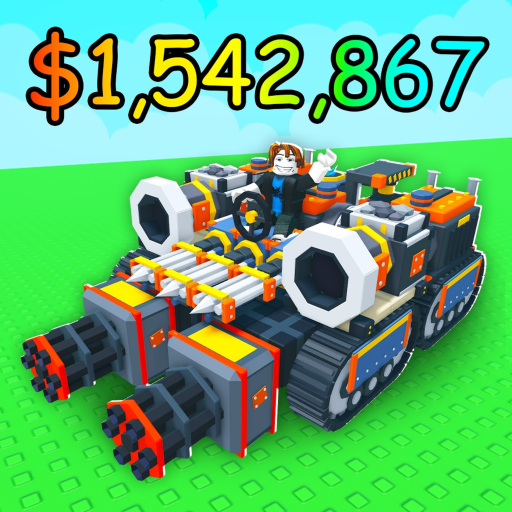
The Players Hub covers who makes Build to Fight Zombies, how to find useful co-op groups, and which community habits actually help when the next wave arrives. This experience is a Simulation / Sandbox Roblox game from Khorovats Group, with sessions capped at six players. Your tank is the shared fail condition: when it is fully destroyed, the run ends. That design makes teammates either a force multiplier or a source of chaos, depending on communication.
About the creator group
Khorovats Group publishes Build to Fight Zombies on Roblox (place 83385558650869, universe 10768999716). The public pitch is short and accurate: build a tank, fight to stay alive, and do not let the next wave be your last. The experience released on 2 October 2026 and has continued to receive client updates into late November 2026. For patch timing and how to watch future changes, use the Updates Hub.
Following the group on Roblox is still the best official signal channel for shouts that may later include events or codes. Until codes exist, that follow mainly keeps you close to announcements — see the honest empty list on Codes.
Co-op basics (1–6 players)
You can play solo, but the design clearly expects group defense:
- Session size: up to six players in one server
- Shared pressure: zombies escalate in number and toughness across waves
- Prep windows: the only time to build, repair, and reposition
- Fail state: tank destroyed = run over for that attempt
Effective lobbies treat prep like a pit stop. Ineffective lobbies treat it like a chat room. If you only remember one community tip, remember this: talk about angles and repairs before you talk about flex builds.
Finding people worth playing with
- Start from the official game page and join public servers while waves are still early — it is easier to teach facing before late-wave panic.
- Prefer players who open the build panel immediately when prep starts.
- Stay with groups that call damaged sections out loud (“front left soft”) instead of silent rebuilds that leave gaps.
- If a lobby refuses to face the main path, leave early; one coordinated five-stack beats a full six who point randomly.
- Friends who already read Getting Started and the Tier List waste less prep arguing basics.
Private friend servers are ideal for practicing role calls without public-chat noise. Public servers are fine for learning threat patterns quickly.
Suggested co-op roles
Roles are soft, not class locks — anyone can place turrets and armor — but naming jobs reduces overlap:
- Front anchor: keeps the heaviest armor and primary turret density on the main approach
- Flank watch: covers side paths so the anchor is not wrapped
- Repair lead: calls health-gauge priorities during prep so people do not decorate while the core is bleeding
- Flex: fills whichever gap the last wave exposed
Rotate roles if someone disconnects. The Best Tank Builds page marks assigned roles as A-tier for a reason: six identical front loadouts still lose to a side breach.
Community tips that show up in good runs
- Finish the tutorial once so everyone shares the same build-panel vocabulary.
- After each wave, spend the first seconds on repairs, then on new parts (Turrets and Armor).
- Line tanks to block the main zombie route; matching facing is free defense.
- When numbers spike, call for more turrets; when tough targets appear, call for armor on hot spots.
- Delete bad placements instead of stacking confusion on top of them.
- Do not chase unverified Scripts; bans remove you from the roster permanently.
Leaderboard-style advice (without fake scores)
Build to Fight Zombies rewards survival depth and clean teamwork more than a screenshot of a single flashy turret. Think like a leaderboard hunter even if you are only chasing personal bests:
- Consistency over ego: a repaired balanced tank outlasts a stylish glass cannon.
- Review the wipe: note whether numbers, toughness, facing, or ignored repairs caused the fail.
- Iterate one variable per run: change density, or armor focus, or role calls — not everything at once.
- Track patches: a “meta” from early October may be wrong after a late-November update.
- Share callouts, not just wins: teaching a pub lobby to face correctly raises the server’s wave count for everyone.
How this hub connects to the rest of the wiki
- New to the loop? Wiki overview and Guides
- Optimizing the chassis? Tier List Hub
- Watching for freebies or patches? Codes and Updates
Community is a system: creator announcements set the rules, co-op roles execute them, and honest wiki pages keep everyone on the same facts. Use this Players Hub to recruit better habits, not just warmer bodies in a six-player lobby.
Frequently Asked Questions
Quick answers for tank builds, waves, and codes.
Who created Build to Fight Zombies?
Khorovats Group. The Roblox place ID is 83385558650869. Follow the group for official shouts and announcements.
How many players can join one session?
Up to six players. Solo is allowed, but coordinated facing and repair calls matter more as lobbies fill.
What co-op roles work best?
Soft roles help: front anchor, flank watch, repair lead, and flex. Anyone can build; the value is reducing overlapping coverage gaps.
How do I find good teammates?
Join early-wave public servers or friend groups, prefer players who repair during prep, and leave lobbies that ignore facing.
Is this an official Khorovats wiki?
No. This is an unofficial fan wiki. For primary announcements, use the group and the official Roblox game page.